
Robotics in Modern Sonography: How Robotic-assisted Ultrasound is Transforming Medical Imaging

Medical ultrasound has always relied heavily on the skill and physical presence of a trained sonographer. However, rapid technological advances are introducing a new era in medical diagnostic imaging -robotic ultrasound systems. These systems combine robotics, telemedicine, and artificial intelligence (AI) to enable remote ultrasound examinations, improved ergonomics, and increased access to imaging services worldwide.
In this article, we explore how robotics is being used in sonography, how robotic ultrasound systems work, their clinical applications, benefits, limitations, and what sonographers should expect in the future.
What Is Robotic Ultrasound?
Robotic ultrasound (telerobotic sonography) refers to the use of robotic systems to manipulate an ultrasound probe during ultrasound imaging examinations. In many cases, the probe is controlled remotely by a trained sonographer or physician, allowing ultrasound exams to be performed even when the specialist is not physically present with the patient.
These systems typically consist of:
A robotic arm or manipulator holding the ultrasound probe near the patient.
A control interface used by the remote sonographer.
Real-time communication systems transmitting ultrasound images and probe movements.
Feedback mechanisms to maintain safe contact pressure with the patient.
The goal is not to replace sonographers but to extend their expertise to remote or underserved areas where trained professionals are scarce.
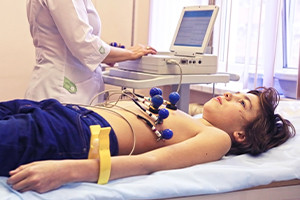
Example of Robotic Ultrasound Technology
One widely discussed example is the MELODY tele-ultrasound robot, which allows specialists to perform ultrasound scans remotely.
How It Works
The expert sits at a remote workstation.
They control a “twin probe” interface that mimics the movement of a real ultrasound probe.
A robotic arm at the patient site reproduces those movements in real time.
The ultrasound images are transmitted back to the specialist instantly for interpretation.
The operator can also adjust ultrasound settings such as gain, Doppler, focus, and measurements remotely while communicating with the patient via video conferencing.
This technology allows a specialist to perform scans hundreds or even thousands of kilometers away from the patient.
Another commercially available system is MGIUS-R3 (MGI Tech), which are already being used in clinical settings, particularly in Europe and Asia, marking the transition of this technology from research laboratories to real clinical practice.
How Robotic Ultrasound Systems Work
Most robotic ultrasound systems follow a master–slave architecture.
1. Master Console (Expert Site)
The sonographer controls:
A simulated ultrasound probe or joystick
Ultrasound Imaging parameters
Measurement tools
2. Slave Robot (Patient Site)
A robotic arm:
Holds the ultrasound probe
Reproduces the operator’s movements precisely
Maintains safe probe pressure
Sends images and force feedback to the operator
Advanced systems may include haptic feedback, allowing the operator to feel the resistance of tissues during scanning.
Clinical Applications of Robotic Sonography
Robotic ultrasound is being used in several medical fields.
1. Remote Healthcare (Telemedicine)
Robotic ultrasound enables specialists to scan patients in:
Rural communities
Military bases
Offshore facilities
Space missions
Disaster zones
This technology helps bridge the gap where experienced sonographers are unavailable.
2. Emergency and Critical Care
Remote ultrasound can help physicians evaluate:
Trauma patients. Used for FAST (Focused Assessment with Sonography for Trauma) scans in remote environments.
Cardiac emergencies
Abdominal pathology
It allows rapid diagnosis when an imaging specialist cannot reach the patient physically.
3. Interventional sonography
Provides precise, image-guided, percutaneous, or endocavitary biopsies and drainage such as in pericardiocentesis and thoracentesis.
4. Obstetrics and Prenatal Care
Robotic ultrasound systems can assist in:
Pregnancy monitoring
Fetal anomaly screening
Remote obstetric consultation
This is particularly valuable in regions with limited maternal healthcare resources.
5. Vascular and Cardiac Imaging
Applications include:
Deep vein thrombosis screening
Cardiac function assessment
Aneurysm detection
6. Pediatric Ultrasound Imaging
Robotic ultrasound can assist in diagnosing conditions such as:
Intussusception
Appendicitis
Urinary tract abnormalities.
Robotic Ultrasound and Artificial Intelligence
Modern research is combining robotics with artificial intelligence (AI) to create semi-autonomous ultrasound systems.
Some experimental systems can:
Automatically locate anatomical landmarks
Acquire standardized imaging planes
Detect pathologies during scanning.
Researchers have demonstrated robotic ultrasound systems capable of autonomously acquiring standard liver imaging planes and detecting pathology, showing the potential for future automated diagnostics.
Benefits of Robotics in Sonography
1. Improved Access to Healthcare
Robotic ultrasound can deliver ultrasound imaging services to remote or underserved populations, improving healthcare equity.
2. Reduced Sonographer Workload and Injury
Musculoskeletal injuries are extremely common among sonographers due to repetitive scanning movements.
Robotic systems can reduce:
Shoulder strain
Wrist injuries
Long-term ergonomic damage
Some designs aim specifically to eliminate repetitive force and awkward scanning postures.
3. High Precision and Stability
Robotic arms can maintain:
Stable probe positioning
Controlled pressure
Consistent scanning angles
This may improve reproducibility in certain examinations.
4. Enhanced Collaboration
Robotic ultrasound allows:
Specialists to assist clinicians remotely
Real-time consultation during ultrasound imaging
Training and supervision of junior operators.
5. Safety and infection control
Particularly relevant during pandemics (e.g., COVID-19), robotic arms allow for a physical barrier between the patient and the sonographer.
Limitations and Challenges
Despite its potential, robotic ultrasound still faces several challenges.
1. High Cost
Robotic systems are expensive and require advanced infrastructure.
2. Internet Connectivity Requirements
Remote ultrasound depends on high-speed, stable internet connections to transmit ultrasound images and probe movements in real time.
3. Limited Clinical Adoption
Most systems are still in:
Pilot programs
Research settings
Specialized telemedicine environments.
4. Need for On-Site Assistance
A trained assistant is usually required to:
Position the patient
Apply gel
Ensure safety during the exam.
Will Robots Replace Sonographers?
The short answer is no.
Robotic ultrasound systems assist rather than replace sonographers. Ultrasound is a highly dynamic medical imaging modality requiring:
Clinical reasoning
Patient interaction
Real-time interpretation.
Robotic systems simply extend the reach of skilled professionals, allowing them to scan patients in distant locations.
The Future of Robotic Ultrasound
The future of robotic-assisted sonography will likely involve the integration of:
Artificial intelligence (AI)
5G telecommunication
Autonomous scanning algorithms
Advanced haptic feedback systems
Visual servoing
These technologies may eventually allow partially automated ultrasound exams guided by expert sonographers remotely.
As healthcare systems continue to embrace telemedicine, robotic ultrasound could become an essential tool for delivering diagnostic medical imaging anywhere in the world.
Key Takeaways for Sonographers
Robotics is an emerging technology in ultrasound imaging.
Robotic systems enable remote ultrasound examinations.
The technology improves access to medical imaging in remote locations.
Robotics can reduce sonographer musculoskeletal injuries.
Sonographers will remain essential for clinical interpretation and patient care.
For ultrasound professionals, understanding robotic ultrasound technology will be important as telemedicine and digital healthcare continue to evolve.
Conclusion
Robotics is poised to play a transformative role in the future of modern sonography. By addressing current limitations in physical demand, access, and precision, it promises to enhance the capabilities of ultrasound professionals and improve patient care. For the community at UltrasoundStudy.co, embracing this change as an opportunity for growth and specialization will be the key to thriving in the new landscape of medical imaging.
References
Adams SJ et al. Telerobotic Sonography for Remote Diagnostic Imaging. Journal of Ultrasound in Medicine.
AdEchoTech. MELODY Tele-Robotic Ultrasound System.
Infinite Imaging. Robotic Ultrasound Remote Scanning.
Ochitwa Z et al. MSK-TIM: A Telerobotic Ultrasound System. Sensors Journal.
Research on robotic ultrasound and haptic systems.
Li Z et al. Autonomous Ultrasound Robot for Liver Sonography.
Life Science Robotics. Robot-Assisted Ultrasound Systems.


Comments